
How to Choose Your Perfect Furnace Installation in Strathmore: A Homeowner’s Guide
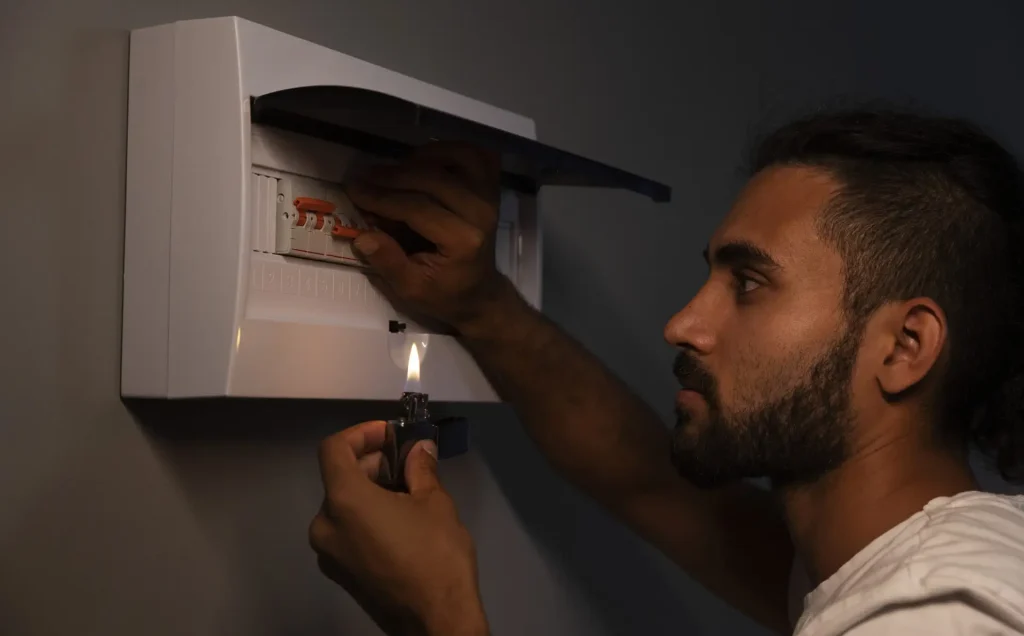
Furnace installation in Strathmore becomes a critical decision when temperatures plummet to -30°C during Alberta’s harsh winters. When your heating system fails during these frigid months, the consequences extend beyond discomfort to potential home damage and safety concerns.
Choosing the right furnace for Strathmore homes isn’t simply about replacing old equipment—it’s about finding a heating solution specifically tailored to our unique climate demands. Whether you’re building a new home or replacing an aging system, the furnace you select directly impacts your comfort, energy bills, and long-term satisfaction. Additionally, with energy efficiency standards constantly evolving, today’s best furnaces offer significant improvements over models installed even just a decade ago.
This comprehensive guide walks you through every consideration for your next Alberta furnace installation—from assessing your home’s specific needs to evaluating different furnace types, finding qualified contractors, and understanding what happens during the installation process. By following these expert recommendations, you’ll be equipped to make a confident, informed decision that keeps your home warm and efficient for years to come.
Start with Your Home’s Needs
Before exploring furnace options or contacting contractors, successful furnace installation in Strathmore begins with a thorough assessment of your specific home needs. Taking time to evaluate these crucial factors first will help you make informed decisions throughout the entire process.
Assess your current heating system
Start by examining your existing furnace’s performance. Look for these telling signs that replacement might be necessary:
- Age factor: Most furnaces last 15-20 years. If yours is approaching this age range, replacement is likely more cost-effective than continued repairs.
- Rising energy bills: Unexplained increases in heating costs often indicate declining efficiency.
- Uneven heating: Cold spots throughout your home suggest your current system can’t distribute heat effectively.
- Frequent repairs: If you’re calling technicians regularly, these cumulative costs typically exceed replacement value.
- Strange noises: Rattling, banging, or whistling sounds indicate internal components are failing.
Document these observations to share with potential contractors. This information helps them recommend appropriate solutions rather than simply selling you the most expensive option.
Understand Strathmore’s climate demands
Strathmore’s unique climate requires special consideration for furnace selection. Unlike milder regions, our extreme winter conditions demand robust heating solutions:
First, your furnace must handle extended operation during our long winter season. Systems rated for intermittent use in warmer climates often fail prematurely here.
Furthermore, the furnace’s output capacity (measured in BTUs) must match your home’s size and insulation quality. Undersized units work constantly yet never achieve comfort, while oversized systems cycle frequently, wasting energy and causing temperature swings.
Consequently, a properly sized furnace for Strathmore homes typically requires professional calculation based on a comprehensive home assessment rather than simple square footage estimates.
Identify your energy efficiency goals
Beyond basic heating, consider what you hope to achieve with your new system:
Long-term savings: Higher efficiency models cost more initially but deliver substantial operational savings. Calculate your break-even point based on your typical energy usage.
Environmental impact: If reducing your carbon footprint matters to you, newer high-efficiency models significantly decrease emissions compared to older systems.
Comfort preferences: Some systems provide more consistent temperatures, better humidity control, or quieter operation—determine which factors matter most in your daily life.
Future plans: If you anticipate staying in your home long-term, investing in premium efficiency makes financial sense. However, if you’re planning to sell soon, a mid-efficiency unit might be more appropriate.
By thoroughly assessing these three areas before shopping for furnaces, you’ll establish clear parameters for making selections that truly serve your home’s specific needs.
How to Evaluate Furnace Options
Once you’ve assessed your home’s needs, selecting the right furnace type becomes your next crucial decision for optimal comfort in Strathmore’s harsh winters.
Compare gas, electric, and dual-fuel models
Each furnace type offers distinct advantages for Alberta homes:
Gas furnaces remain most popular due to their efficiency and effectiveness in extreme cold. They heat homes quickly even in the coldest conditions and typically cost less to operate than electric models. Modern high-efficiency gas furnaces in Canada must have an AFUE rating of at least 90%.
Electric furnaces work well for smaller homes or areas without natural gas access. Although they’re 100% energy efficient at converting electricity to heat, they generally cost 2.5 times more to operate than heat pumps.
Dual-fuel systems combine an electric heat pump with a gas furnace backup. This hybrid approach uses the heat pump during mild weather and automatically switches to the gas furnace when temperatures drop below the system’s balance point (typically around 35°F). These systems can reduce heating costs by 30-50% in the right conditions.
Look at energy efficiency ratings (AFUE)
Annual Fuel Utilization Efficiency (AFUE) measures how effectively your furnace converts fuel into heat:
- 80% AFUE: Standard efficiency (minimum allowed)
- 90-95% AFUE: High efficiency
- 96%+ AFUE: Premium high efficiency
A 95% AFUE furnace converts 95% of its fuel into usable heat while wasting just 5%. Higher AFUE ratings mean lower operating costs despite higher upfront prices. Most units installed today operate at 95-96.5% efficiency.
Consider noise levels and size
Noise levels matter for daily comfort. Quality residential heating systems typically operate between 40-60 decibels. For reference, 40 decibels resembles a quiet library, while 60 decibels matches normal conversation. Variable-speed furnaces generally run quieter (30-50 decibels) than single-speed models.
Proper sizing is essential—an oversized furnace will “short cycle” (turn on/off frequently), while an undersized one struggles to maintain comfort. Although the general guideline suggests 25-30 BTUs per square foot, factors like insulation quality, ceiling height, and climate zone affect your specific requirements.
Choosing the Right HVAC Contractor
Finding a qualified contractor is the crucial next step after determining your ideal furnace type. Your installation’s quality directly impacts your system’s performance and longevity in Strathmore’s challenging climate.
Check for licensing, bonding, and insurance
Verify that any contractor you consider holds proper credentials. Each province has specific licensing requirements for HVAC professionals. Licensed contractors demonstrate basic required knowledge and competence while giving customers an avenue for accountability if disputes arise. Equally important, confirm they’re bonded (providing financial guarantees they’ll fulfill contract terms) and carry both liability insurance and workers’ compensation coverage. These protections shield you from potential financial losses if accidents occur during installation.
Look for NATE-certified technicians
North American Technician Excellence (NATE) certification represents the highest possible HVAC accreditation from an independent organization. NATE-certified technicians must pass rigorous exams demonstrating expertise and typically require recertification every two years, ensuring they stay current with industry developments. Companies displaying the NATE certification typically maintain at least 25% certified technicians on staff, indicating a commitment to professional standards.
Read online reviews and ask for referrals
Start by asking neighbors, friends, and family members about their experiences with local furnace installers. Word-of-mouth recommendations often reveal contractors with proven track records. Additionally, examine online reviews carefully—look beyond star ratings to read written comments about professionalism, punctuality, and work quality .
Request a home evaluation before quote
Reputable contractors always perform comprehensive on-site evaluations before providing estimates. They should measure your space, examine insulation levels, evaluate existing ductwork, and discuss your specific comfort needs. Be wary of companies offering quotes without thorough inspections—this often leads to improper sizing and hidden costs later.
What to Expect During Installation
After selecting a qualified installer for your Strathmore furnace, understanding the installation process helps you prepare for this significant home improvement project.
Pre-installation inspection and ductwork check
Professional installers begin with a thorough assessment of your home’s existing infrastructure. This crucial inspection includes evaluating ductwork for leaks or damage, checking venting systems, and confirming adequate clearance around the installation area . Technicians also verify your electrical system can handle the new furnace and inspect gas lines for safety. Proper airflow assessment is particularly vital, as this directly impacts your system’s efficiency and performance.
Timeline and disruption expectations
A standard residential furnace installation typically takes 4-8 hours to complete. Here’s what happens during this time:
- Assessment and quote: 30 minutes to 1 hour
- Old furnace removal: 1-2 hours
- New furnace setup and installation: 3-4 hours
- System testing and calibration: 1 hour
- Final cleanup and walkthrough: 30 minutes
To minimize disruption, clear the installation area beforehand and keep children and pets away from the workspace
Post-installation testing and walkthrough
Afterwards, technicians conduct comprehensive testing including:
- Safety checks and diagnostics
- Airflow and temperature control verification
- Leak testing
- Thermostat responsiveness evaluation
The installer should also provide a complete walkthrough explaining system operation, maintenance requirements, and warranty details. This education ensures you can maximize your new furnace’s efficiency and lifespan.
Conclusion
Selecting the right furnace for your Strathmore home stands as one of the most significant decisions you’ll make as a homeowner in this region. Alberta’s extreme winters demand heating systems that deliver both reliability and efficiency. Therefore, taking time to assess your specific needs, understand efficiency ratings, and evaluate different furnace types pays dividends through improved comfort and reduced energy costs.
Proper sizing remains perhaps the most critical factor in furnace selection. An undersized unit will struggle constantly against our harsh climate, while an oversized system wastes energy through frequent cycling. Additionally, your choice between gas, electric, or dual-fuel systems should align with both your budget considerations and long-term efficiency goals.
The contractor you select ultimately determines your installation’s success. Qualified professionals with proper licensing, insurance, and NATE certification provide assurance that your investment will be protected. Furthermore, reputable installers conduct thorough home evaluations before quoting, ensuring their recommendations truly match your home’s specific requirements.
Remember that furnace installation represents not merely an expense but a long-term investment in your home’s comfort and value. The right system, properly installed, will serve your family reliably through many Strathmore winters. Though upfront costs for higher-efficiency models might seem substantial, the resulting energy savings and improved comfort typically justify this investment over the system’s lifespan.
Your new furnace should keep your family comfortable while operating efficiently for 15-20 years. Consequently, thorough research and careful selection now will reward you with decades of reliable heating performance – essential protection against Alberta’s challenging winter conditions.